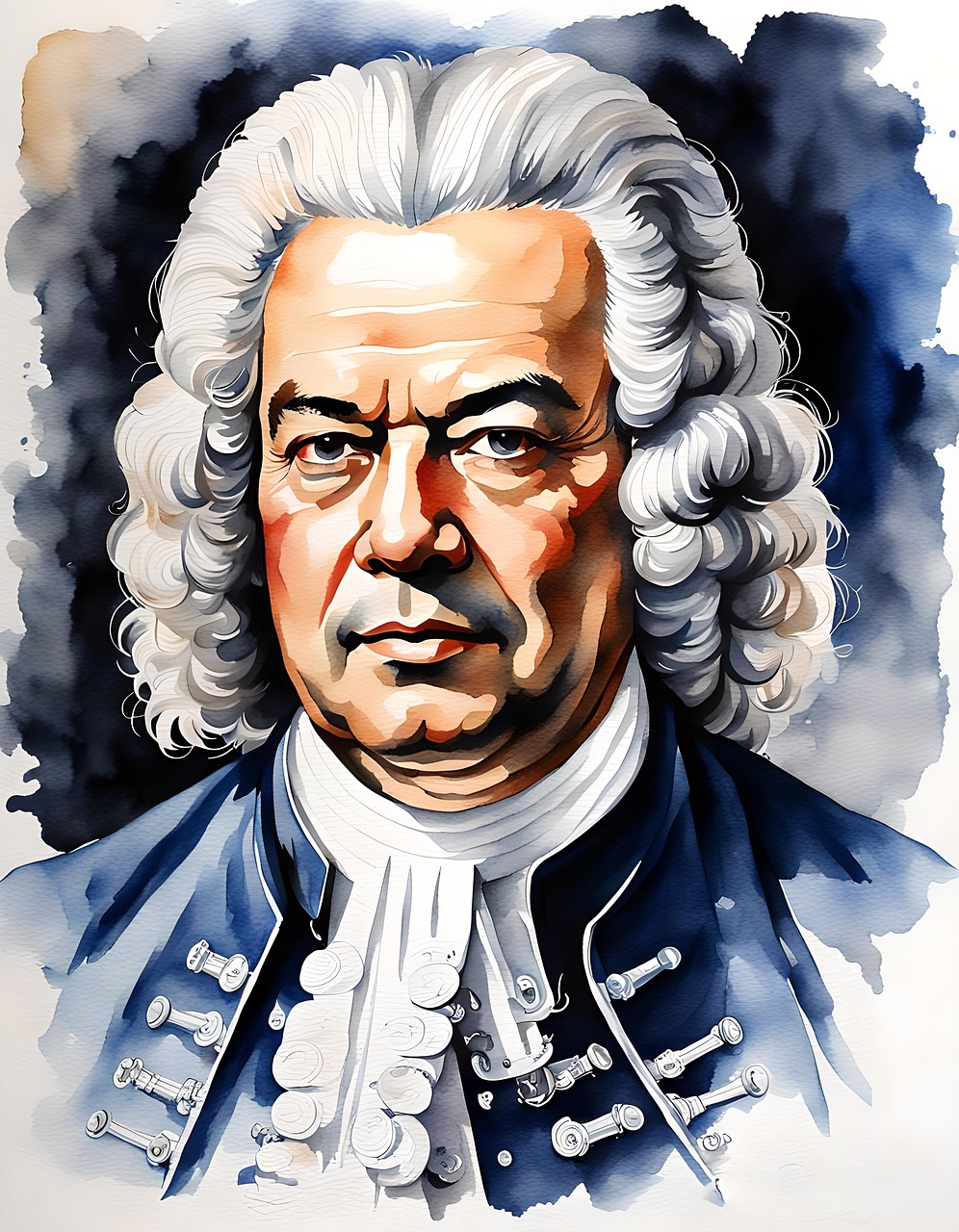
Exploring the Intersection of AI and Music Composition
Artificial intelligence is reshaping music composition by enabling systems to generate original pieces that range from simple motifs to full orchestral scores. Advances in machine learning allow these tools to analyze patterns in large datasets of existing works and produce music that can complement or compete with human-created pieces.
AI composers use neural networks and other algorithms to learn musical structure, harmony, rhythm and style. Notable examples include AIVA, launched in 2016 and recognized by the French music society SACEM, which specializes in classical and symphonic composition and can produce music across genres, and generative models introduced in recent years that create songs from text prompts, including vocals and instrumentation.
Key capabilities of AI composers include emulating the stylistic features of specific composers or genres, composing across a wide range of musical styles, and creating personalized pieces based on user-provided themes or emotions. These systems accelerate prototyping for films, games and advertising, enable adaptive soundtracks that respond to user interaction, and provide tools for non-specialists to realize musical ideas.
The growing role of AI in music raises several industry considerations. Musicians and producers can collaborate with AI to explore new creative directions, while tools lower barriers for emerging creators and expand access to composition. Commercial applications span scoring, sound design and content generation for media and marketing.
Ethical and legal questions accompany these technical advances. Debates focus on authorship, originality, copyright implications of training data, transparency in disclosure, and fair compensation when models draw on existing works. There is also concern about potential job displacement alongside the emergence of new roles in AI-assisted music production.
AI is rapidly changing how music is made and distributed, offering powerful new tools while prompting discussions about the boundaries of creativity and ownership. Striking a balance between technological innovation and the preservation of human artistic contribution will shape the future of music.
Start free
only-fans.ai
Leave a Reply