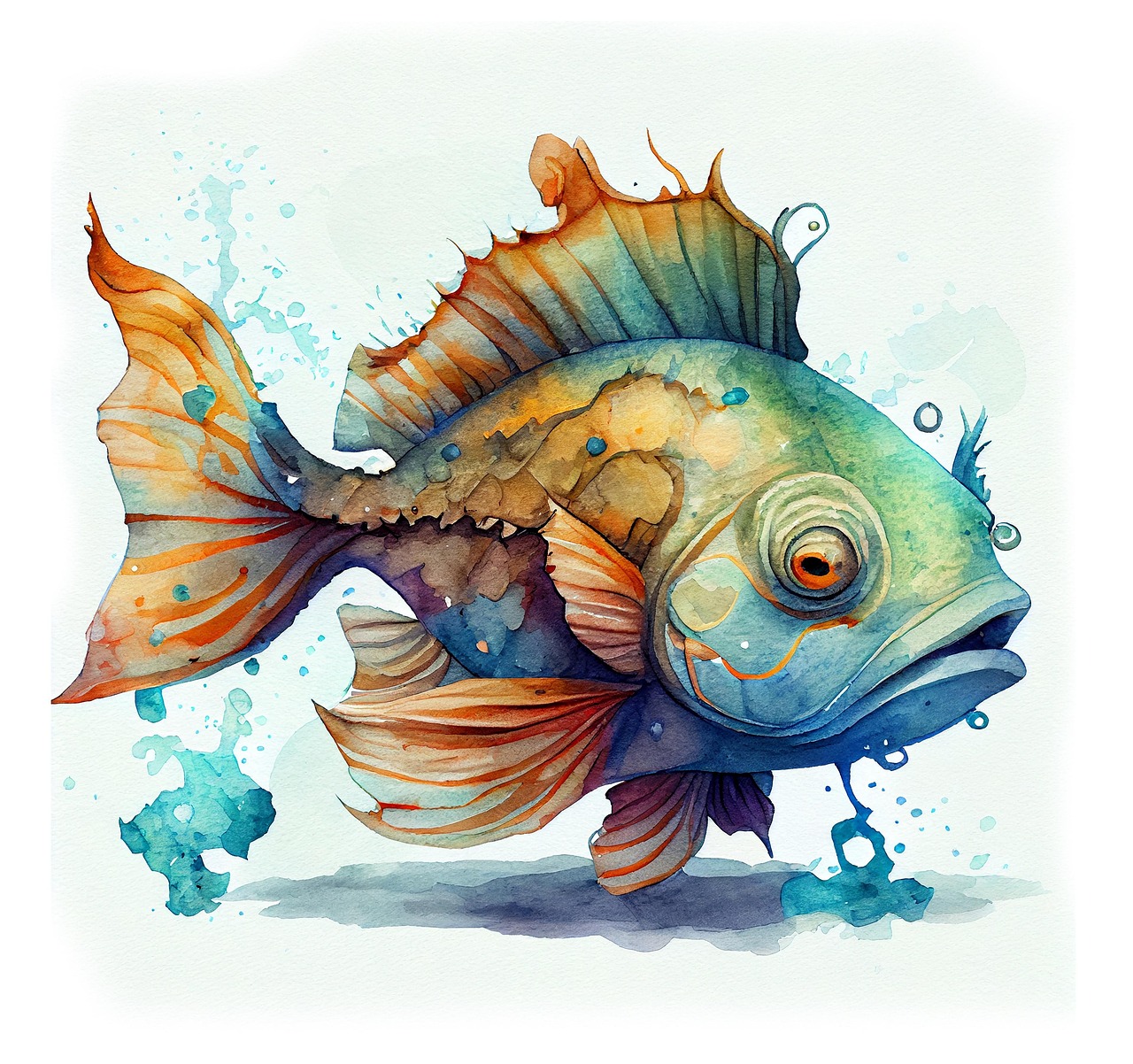
The creative landscape is undergoing a seismic shift, thanks to the integration of artificial intelligence (AI) into artistic workflows. This transformation is epitomized by innovative platforms such as Adobe Firefly, PixelDojo, and Stimulus.ai, which are redefining the boundaries of creativity and content monetization. AI-powered tools are not just augmenting traditional artistic expression; they are opening up new avenues for creators to explore, experiment, and even generate income more efficiently. From generating stunning visuals to automating fan engagement, these technologies illustrate how AI is increasingly becoming an indispensable collaborator in the creative process.
Adobe Firefly, a groundbreaking element within Adobe’s expansive Creative Cloud suite, shines as a prime example of how AI can empower artistic creators. Developed using Adobe’s own Sensei AI framework, Firefly is expertly designed to generate images, videos, audio, and text-based effects from simple text prompts. What sets Firefly apart is its commitment to commercial safety and ethical content creation; it is trained on a carefully curated dataset comprising images from Adobe Stock, Creative Commons, and public domain resources, ensuring the generated outputs avoid copyright infringement. Imagine a graphic designer envisioning a concept and simply typing out a prompt to instantly receive multiple polished visuals customized to their creative needs. Firefly not only expedites the brainstorming process but also empowers creators with a flexible assistant that blends the efficiency of AI with the nuance of human creativity.
PixelDojo takes AI-driven artistic innovation a step further by offering specialized tools focusing on high-quality, realistic image generation — including AI-generated nude art designed to be tasteful and ethically responsible. This platform allows artists and designers to bypass traditional logistical challenges such as securing live models or costly studio setups, instead creating evocative nude art through AI-generated imagery that respects privacy and consent. The significance of this cannot be overstated in an era where ethical issues surrounding AI-generated explicit content are hotly debated. PixelDojo's approach highlights that AI can responsibly handle sensitive subjects, providing creators with techniques to explore the human form while honoring artistic integrity and legal boundaries. Furthermore, their tools serve as a source of inspiration and experimentation, fostering creative growth without sacrificing ethical standards.
On the monetization front, Stimulus.ai offers an entirely different but equally transformative application of AI. This AI sales assistant is tailored specifically for creators on OnlyFans, a content platform that has rapidly expanded in the creator economy. Instead of simply acting as a chatbot, Stimulus is an autonomous sales engine—engaging fans, personalizing communications, and boosting sales by turning conversations into transactions without requiring creators to lift a finger during the process. This 24/7 AI assistant mimics the creator’s tone and style, adapts to individual fan preferences, and even automates complex workflows like content delivery, promotional campaigns, and analytics tracking. This seamless integration not only maximizes earnings but also allows creators to focus on what they do best—creating content—while leaving the business side to AI-powered automation. The synergy of creativity and commerce exemplified by Stimulus.ai reflects a broader trend in the digital age where innovative technology enables new models of sustainable income for artists and influencers alike.
However, with great power comes great responsibility, especially when dealing with AI-generated content that includes sensitive or potentially controversial material. Ethical considerations in AI art are vital and multifaceted. The unauthorized generation or distribution of AI-created nude or explicit images can lead to serious privacy violations and legal repercussions. Social media giants like Meta have actively pursued legal action against apps producing non-consensual AI-generated nudity, sending a clear message about the importance of consent and privacy in this new digital frontier. These developments highlight that while AI tools hold enormous promise for expanding artistic horizons and monetization opportunities, creators and developers alike must adhere to robust ethical frameworks to ensure their work respects individual rights and societal norms. Responsible use safeguards not only the reputation of artists but also fosters trust and acceptance of AI as a positive force in the creative ecosystem.
In summary, the dawn of AI-powered creative tools such as Adobe Firefly, PixelDojo, and Stimulus.ai heralds a new era of artistic expression and content monetization. These platforms illustrate how AI can be harnessed to enhance creativity—from generating vivid, copyright-safe imagery to responsibly exploring complex themes like nude art, and further enabling content creators to monetize their work efficiently through intelligent automation. As these technologies continue to evolve and integrate deeper into creative workflows, it is essential that users embrace them with awareness and ethical mindfulness. When wielded thoughtfully, AI has the potential not only to augment human creativity but also to transform the artistic landscape, making creativity more accessible, efficient, and financially rewarding for creators worldwide.
#AIPoweredCreativity #AdobeFirefly #PixelDojo #StimulusAI #EthicalAI #CreativeRevolution #DigitalArtInnovation
Leave a Reply